
Insights in action

Every visit.
A clearer picture.

A useful observation starts a story. Follow the evidence to see what changed, what remains uncertain, and what deserves a closer look.

One finding. A connected record.

Explore the kind of report we’re developing, from a first observation to a reviewed follow-up.

Explore the example

Illustrative report · Proposed service workflow

A question at the outlet.

Example record / A01

A fictional drainage-outlet example. All observations and diagrams are illustrative; this is not a customer report or live AI analysis.

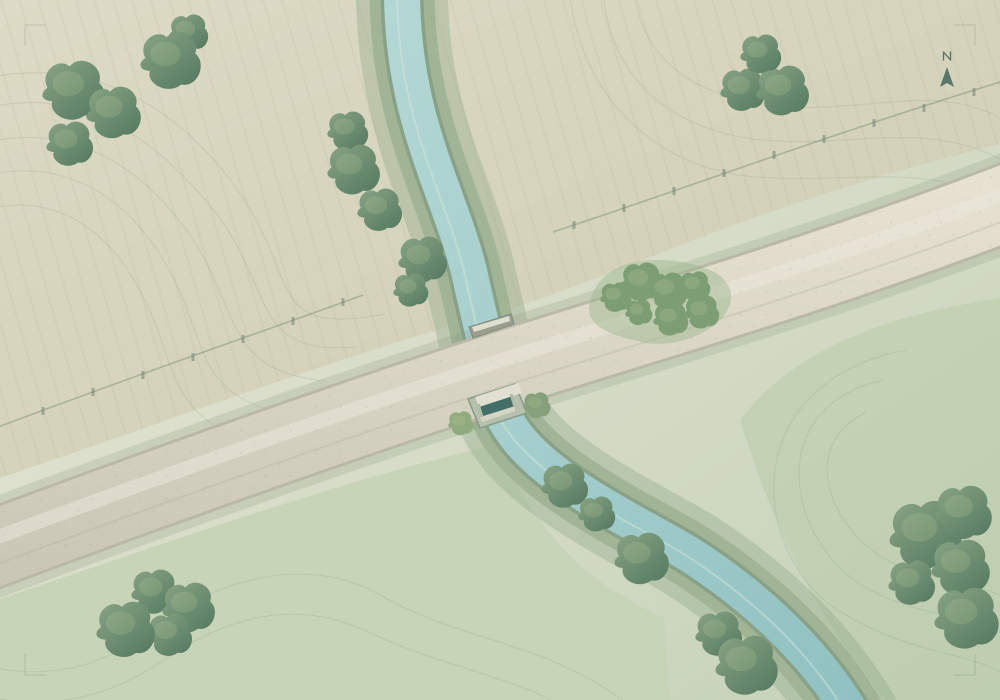
Illustrative site diagram for the baseline: The outlet entrance and nearby ground are visible. This provides a reference for later comparisons. Schematic · Not a measured survey
01 / Illustrated baseline viewOutlet A01

01 / Outlet entrance

The outlet entrance and nearby ground are visible. This provides a reference for later comparisons.

02 / Surrounding vegetation

The access track and vegetation help locate the same area on a later visit. A consistent viewpoint makes comparison more useful.

Baseline / A01Baseline recorded

Start with a view worth keeping.

The outlet entrance and nearby ground are visible. This provides a reference for later comparisons.

Proposed next step
Keep the reference view and agree what future visits should check.
What this cannot tell us
This view cannot establish the condition inside the pipe or its capacity.

People review findings and approve the next step.
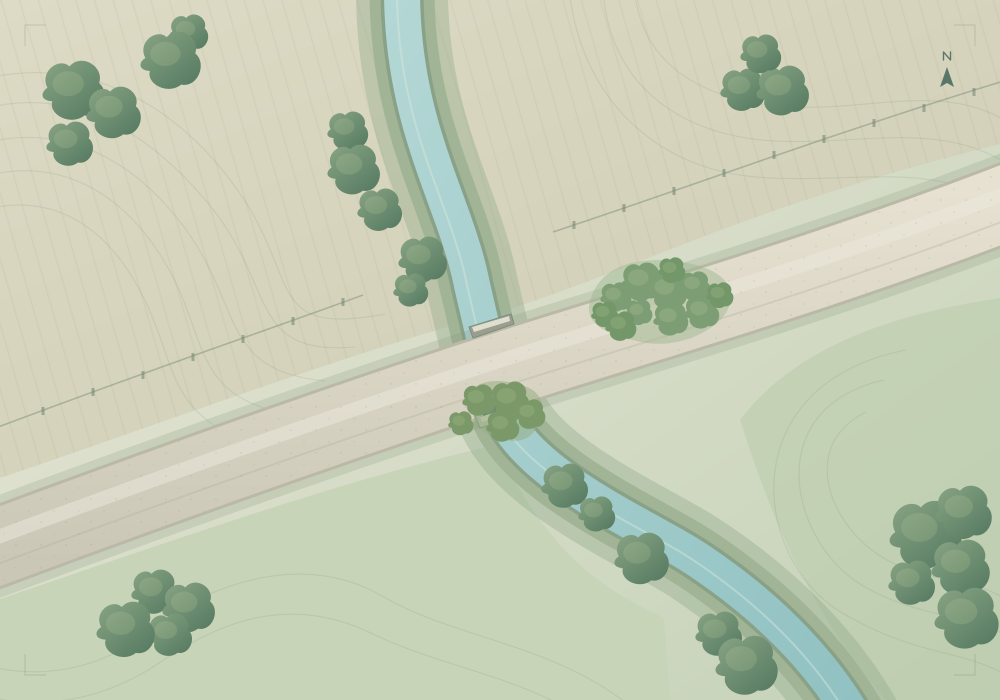
Illustrative site diagram for the repeat visit: Vegetation now obscures the outlet entrance. Its condition cannot be assessed from this view. Schematic · Not a measured survey
02 / Illustrated repeat viewOutlet A01

01 / Outlet entrance

Vegetation now obscures the outlet entrance. Its condition cannot be assessed from this view.

02 / Surrounding vegetation

Vegetation provides context for the reduced visibility. Its appearance alone does not establish the condition of the outlet.

Repeat visit / A01Insufficient evidence

A change. And a better question.

Vegetation now obscures the outlet entrance. Its condition cannot be assessed from this view.

Proposed next step
Request a closer ground photograph, subject to safe access. Reduced visibility alone does not establish a blockage.
What this cannot tell us
Another aerial pass may leave the same question unanswered. The useful next step could be a ground observation.

People review findings and approve the next step.
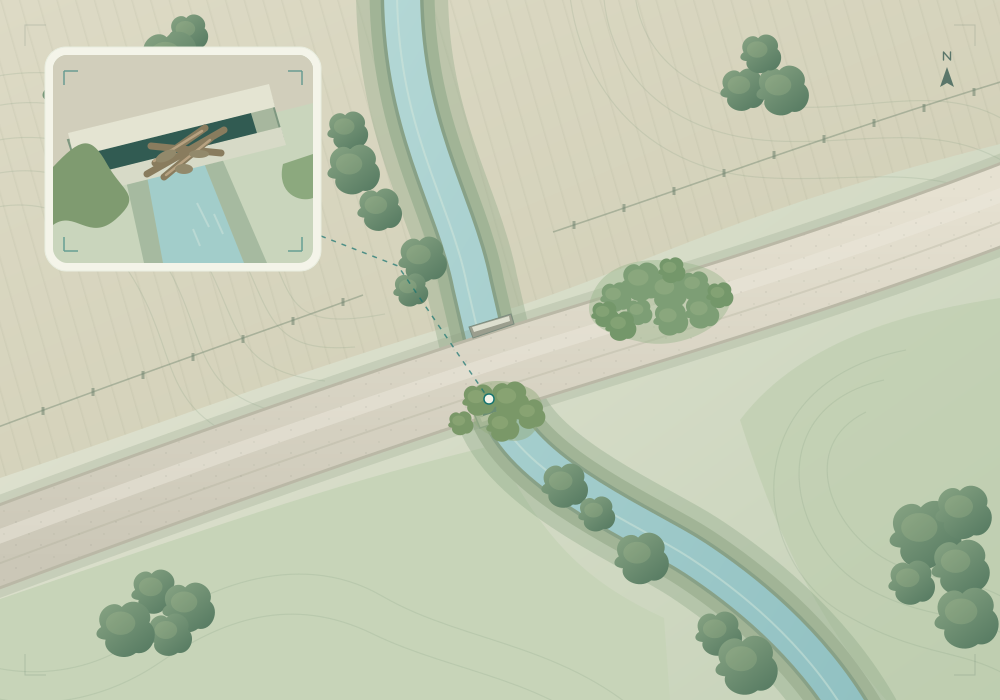
Illustrative site diagram for the closer check: In this fictional example, closer evidence shows debris at the entrance. A reviewer records the visible obstruction. Schematic · Not a measured survey
03 / Illustrated closer-check viewOutlet A01

01 / Outlet entrance

In this fictional example, closer evidence shows debris at the entrance. A reviewer records the visible obstruction.

02 / Surrounding vegetation

The surrounding ground helps the reviewer locate the observation. Additional context or specialist assessment may be needed before deciding on maintenance.

Closer check / A01Follow-up needed

Make the finding reviewable.

In this fictional example, closer evidence shows debris at the entrance. A reviewer records the visible obstruction.

Reviewed next step
Ask the site team to assess maintenance needs and provide follow-up evidence linked to this finding.
What this cannot tell us
The visible debris does not establish the condition farther inside the pipe or the cause of any drainage problem.

People review findings and approve the next step.
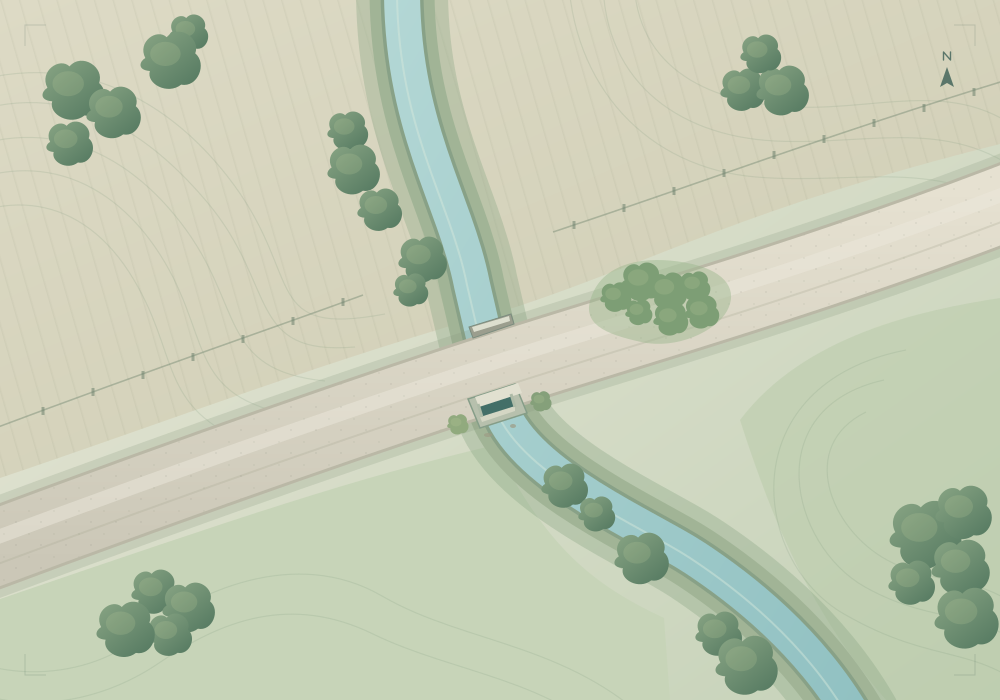
Illustrative site diagram for the follow-up: Follow-up evidence shows the previously observed debris is no longer visible at the entrance. A reviewer compares it with the earlier finding. Schematic · Not a measured survey
04 / Illustrated follow-up viewOutlet A01

01 / Outlet entrance

Follow-up evidence shows the previously observed debris is no longer visible at the entrance. A reviewer compares it with the earlier finding.

02 / Surrounding vegetation

The nearby ground remains part of the evidence record. A clear entrance does not establish the performance of the wider drainage system.

Follow-up / A01Visible clearance reviewed

Check the work against the finding.

Follow-up evidence shows the previously observed debris is no longer visible at the entrance. A reviewer compares it with the earlier finding.

Reviewed next step
Record the reviewed visual change. Refer any remaining drainage concern for suitable assessment.
What this cannot tell us
Visible clearance does not confirm hydraulic performance, hidden pipe condition or regulatory compliance.
What if the follow-up is unclear?

Still open · Insufficient evidence. A completion message or an obscured photograph would not close this finding. The reviewer would request a usable view or a suitable site check.

People review findings and approve the next step.

Each observation stays linked to the original question. An unresolved finding stays visible.

Evidence that
stays connected.

We’re developing AI agent workflows to organise observations, identify missing evidence and suggest useful follow-up. People check the findings and decide what happens next.

01 / Trace the observation

Keep the source in sight.

Link each finding to its image, location and capture context, with limitations available for review.

02 / Ask the useful question

Know when to look closer.

Another view, a ground check or specialist input could answer what the first observation cannot.

03 / Follow it through

Check what happened next.

Compare follow-up evidence with the original finding. Keep unanswered questions open.

Discuss a pilot

Your site.
Your next question.

Tell us what you need to understand. We can discuss a potential pilot, agree useful evidence and define what a good result would look like.

Asset inspections, site progress and environmental monitoring are all part of the service we’re developing.

contact@aeroinsite.co.nz

A useful place to begin.

In your email, include your service area, general location, the question you need answered and whether repeat visits would help.

Write an enquiry email

A few practical questions

Before
we begin.

What would I receive?

We would agree the outputs around your decision: annotated visual or thermal evidence for asset inspections; repeat imagery, maps or progress summaries for site work; or baseline observations and change records for environmental monitoring. The proposed report includes findings, limitations and suggested follow-up.

Where does AI help?

We’re developing AI-assisted workflows to organise imagery, compare visits, flag missing evidence and prepare report drafts. People check findings and approve operational decisions. The example above is authored to explain that approach.

When would a specialist or ground check be needed?

Some questions cannot be answered from aerial imagery. Obscured areas, hidden damage or questions about cause and performance may need ground evidence, testing or a qualified specialist. We would agree those requirements in the scope.

How would a pilot, timing and data handling work?

We would first discuss the site, access, monitoring question and intended deliverables. Capture timing depends on the mission, permissions and suitable conditions. Data access, storage, retention and permitted use would be agreed before collection, alongside the pilot’s acceptance criteria.